


Why Conference Room AV Still Matters in the Era of Hybrid Meetings
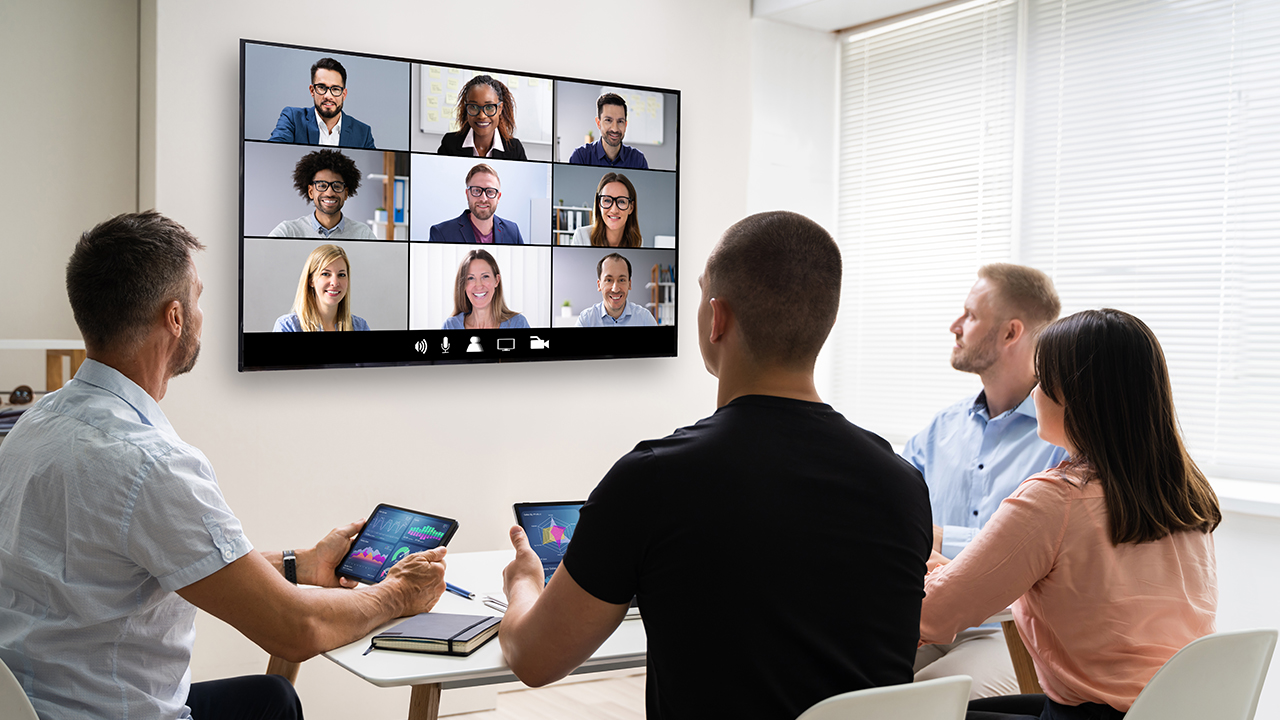
July 13, 2026Remote work reshaped how we collaborate, but it didn’t eliminate the need for conference rooms. If anything, it made them more critical—and more challenging to get right. The conference rooms that worked fine when everyone showed up in person now struggle when half the team joins via video call. That laptop huddled around a table, with some voices barely audible and others echoing? That’s not hybrid work—that’s a compromise everyone tolerates but nobody wants.
Why Conference Rooms Still Anchor Collaboration
Physical meeting spaces remain essential because certain work simply functions better when people gather face-to-face. Complex strategy sessions, client presentations, and collaborative problem-solving all benefit from the structure and focus a dedicated room provides. But here’s what’s changed: these rooms now need to bridge two worlds.
Without proper conference room AV, in-person participants default to personal laptops, creating fragmented conversations where remote attendees become afterthoughts rather than full participants. The result? Disengagement, missed contributions, and decisions made without full team input. Organizations that invest in equipped rooms signal that flexible collaboration matters and that every voice deserves to be heard clearly—regardless of location.
The Technology That Makes Hybrid Work
Getting hybrid meeting room setup right comes down to a few core elements working together seamlessly.
Audio matters most. Small rooms can use integrated video bars that combine microphone, speaker, and camera in one device. Larger spaces need ceiling arrays or daisy-chained tabletop microphones positioned so everyone sits within about seven feet of a mic. Beamforming technology helps by focusing on active speakers while filtering background noise, ensuring remote attendees don’t miss side conversations or struggle with faint voices.
Camera positioning shapes experience. Wide-angle lenses work for small rooms, keeping everyone visible in frame. Larger spaces benefit from PTZ (pan-tilt-zoom) cameras with intelligent tracking that follow speakers or frame groups automatically. Mount cameras at eye level, ideally between dual displays, to simulate natural eye contact for remote participants rather than the awkward “looking down” angle that makes everyone feel disconnected.
Displays and content sharing prevent information silos. Dual displays let in-room attendees see both remote participants and shared content simultaneously, maintaining awareness of the full meeting context. Wireless sharing through AirPlay, Miracast, or dedicated tools supports bring-your-own-device workflows, allowing anyone to contribute content without cable hunting.
Organizations like Electronic Design Company (EDC) often emphasize platform integration when designing hybrid spaces—enabling quick laptop connections via USB-C or HDMI, and incorporating native conferencing platforms like Teams Rooms or Zoom Rooms for one-touch joining that reduces meeting start delays.
Creating Equity, Not Just Connectivity
The real challenge isn’t connecting technology—it’s creating equitable experiences. Remote attendees shouldn’t be second-class participants. Design rooms with remote people in mind from the start: every seat should be audible and visible on camera. Avoid long tables with a single camera at one end; remote participants lose context and visual cues that in-room people take for granted.
Intelligent features like speaker tracking, auto-framing, and thoughtful screen layouts help simulate presence. But technology alone won’t fix poorly designed spaces or meeting habits that exclude remote voices.
Upgrading Without Starting Over
Most organizations don’t need to gut every conference room. High-impact improvements start with microphones and cameras—these deliver the biggest boost to remote experience. Add wireless presentation capabilities next to eliminate cable frustration.
Standardizing room types (huddle, small, medium) with consistent AV kits reduces support complexity and helps employees know what to expect. Integrated all-in-one video bars work beautifully for small to mid-sized rooms, saving installation time and wiring costs. Room scheduling panels and occupancy sensors help track actual usage and eliminate ghost meetings that block availability.
EDC’s approach typically involves analyzing which spaces need attention first and designing solutions that can scale as needs evolve—avoiding both under-investment that frustrates users and over-engineering that complicates operation.
The Bottom Line
Conference rooms aren’t relics of pre-pandemic work culture—they’re bridges between physical and digital collaboration. Modern conference room AV systems create meeting equity where everyone contributes regardless of location. The right hybrid meeting room setup transforms spaces from “making do” to “this actually works,” supporting the collaboration that drives real outcomes.