


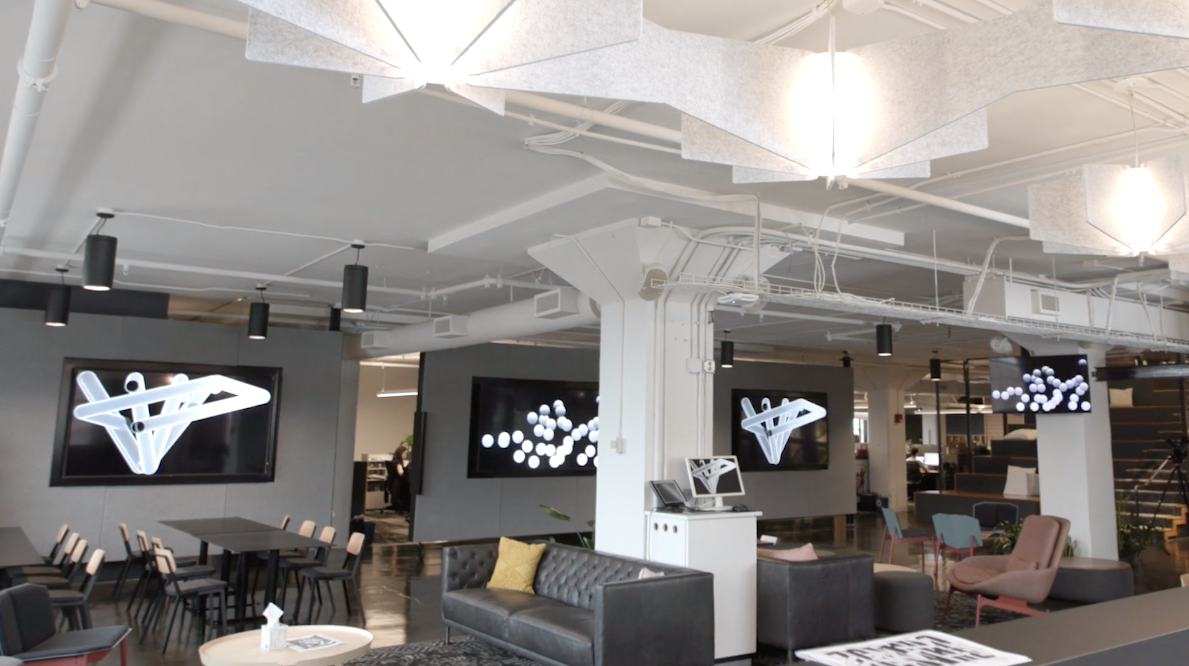
How Offices Use Sound Masking and AV Systems to Improve Focus and Privacy
September 1, 2026Open offices promised collaboration but delivered distraction. Conversations from three desks away interrupt focused work, phone calls lack privacy, and even the sound of typing becomes magnified in overly quiet spaces. Sound masking systems offer a scientifically-backed solution that doesn’t require rebuilding walls or redesigning entire floors.
What Sound Masking Actually Is
A sound masking system adds strategically engineered background sound—similar to soft airflow or gentle HVAC hum—to reduce speech intelligibility and dampen distractions. This isn’t random white noise playing through speakers.
Masking sound is tuned specifically to match human speech frequency range (500-4000 Hz). It raises the ambient noise floor to approximately 45 dBA, making conversations blend into the background beyond a few feet. Small emitters installed in ceilings or open plenum spaces distribute sound evenly, maintaining consistent coverage across work areas.
The goal: You’ll still hear people talking nearby, but you won’t clearly understand what they’re saying unless you’re close—preserving communication while protecting privacy.
Why This Matters for Modern Workplaces
Reduces cognitive distractions:
- Drowns out distant phone calls, keyboard sounds, and hallway conversations
- Prevents “pin-drop” silence in quiet offices that amplifies every small noise
- Helps employees maintain focus during deep work sessions
Enhances speech privacy:
- Critical for HR, finance, legal, healthcare, and any confidential discussions
- Supports compliance requirements like HIPAA in healthcare settings
- Protects sensitive business conversations in open-plan environments
Improves workplace comfort:
- Employees report reduced stress and fewer interruptions
- Studies link masking with measurably higher productivity
- Creates psychological comfort even when people can’t consciously identify the masking sound
AV Tools That Complete the Picture
Office sound masking works best when combined with thoughtful AV design for different work zones. Organizations like Electronic Design Company (EDC) typically approach these projects by analyzing how different spaces get used and tailoring acoustic solutions accordingly.
For focus zones:
- Acoustic panels, ceiling tiles, and soft furnishings absorb sound
- Sound masking emitters create calm, consistent background
- Designated quiet areas or phone booths for calls
For collaboration zones:
- AV-equipped huddle spaces with displays and video bars
- Acoustic partitions or high-backed furniture containing noise
- Portable AV solutions for spontaneous contained meetings
The balance matters. Focused work and active collaboration should coexist without driving each other out of the office entirely.
Real-World Results
Healthcare offices improved patient confidentiality and compliance by adding sound masking to front desks and nurse stations. Open-plan tech companies reduced noise complaints and saw employees spend more time at desks after installation.
Legal teams in shared environments used masking combined with acoustic booths to ensure sensitive casework wasn’t overheard. In employee surveys, people reported greater comfort and privacy even if they couldn’t consciously hear the masking—it simply becomes part of the background.
Notably, perceived acoustic quality improves even when overall noise levels stay the same, because speech intelligibility decreases.
Implementation That Actually Works
Start with a pilot zone—an open office cluster or corridor near meeting rooms. Use direct-field ceiling-mounted emitters for better control and uniformity. Gradually increase volume over 1-2 weeks helping employees adjust naturally.
Zone intelligently based on different acoustic needs:
- Open workstations: ~45 dBA masking
- Closed offices: slightly lower (~42 dBA)
- Quiet lounges or wellness rooms: minimal or no masking
Avoid abrupt sound transitions between zones. Pair masking with layout improvements—high-backed furniture, acoustic lighting fixtures, booth-style enclosures. For conference rooms or focus pods, layer masking with acoustic panels and AV equipment for comprehensive solutions.
Communicate the purpose transparently. Let employees know why the sound masking system was installed and encourage feedback during initial weeks. EDC’s proven process emphasizes this collaborative approach, adjusting based on how teams actually use spaces rather than theoretical ideals.
The Bottom Line
You don’t need walls to fix noise problems—you need intelligent sound management. Modern sound masking systems combined with smart AV design support both focus and privacy without sacrificing collaboration. The right office sound masking approach makes even busy environments feel calm, confidential, and comfortable to work in.