


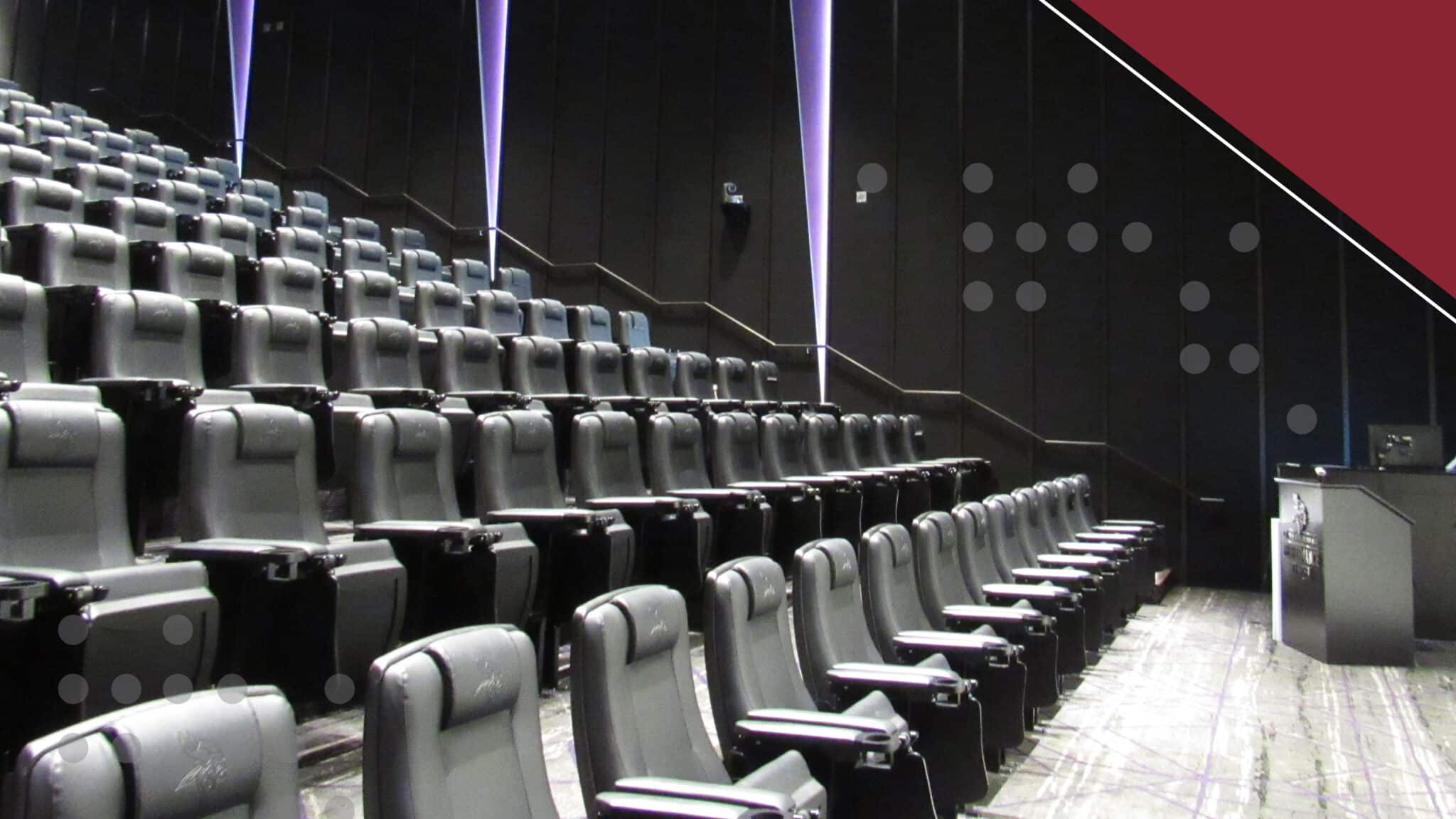
Sound and Style: Upgrading Your Auditorium Sound System Without Overwhelm
July 27, 2026Your auditorium’s sound system is showing its age. Voices get lost in the back rows, feedback disrupts presentations, and half the equipment predates smartphones. But the thought of upgrading feels paralyzing—where do you even start without creating chaos or draining budgets?
Start With What You Actually Have
Before buying anything, assess your current system honestly. Walk the room with fresh ears or an SPL meter, noting volume inconsistencies, quiet corners, and overly loud zones. Talk to regular users—complaints like “we can’t hear in the back” point directly to problems worth solving.
Trace your signal path from microphones through mixers and processors to speakers. Look for bottlenecks: noisy mixers, underpowered amps, worn connectors causing hums and dropouts. Inventory everything—models, age, condition—and flag obsolete gear or consumer equipment struggling in professional roles. Prioritize replacing what’s failing or limiting performance; delay upgrading what still works adequately.
Matching Systems to Your Space
Not all auditoriums need the same solution. Your room’s size, shape, and purpose determine what AV equipment works best.
For large, long auditoriums:
- Line arrays provide even volume front-to-back
- Narrow vertical coverage avoids ceiling and floor reflections
- Ideal for performance venues and large lecture halls
For smaller or medium spaces:
- Point-source speakers offer simpler, cost-effective coverage
- Mount high and aim carefully to reduce echo and hot spots
- Works well for most school auditoriums and community theaters
For lecture-focused rooms:
- Distributed speakers prioritize speech clarity
- Particularly effective under balconies or in flat-floor spaces
- Best when intelligibility matters more than power
Organizations like Electronic Design Company (EDC) typically use acoustic modeling during their system evaluations to avoid dead zones and ensure consistent sound pressure throughout your space. Factors like proscenium versus black box design, balcony seating, and movable stage setups all affect speaker placement in ways that matter.
Components That Work Together
Microphones:
- Wireless handhelds for general use and easy swaps
- Headset mics provide better gain-before-feedback for presenters
- Boundary mics work well for drama or discussion events
- Always position speakers in front of microphones to prevent feedback
Mixing consoles:
- Analog mixers: simple, hands-on, affordable for basic setups
- Digital consoles: offer presets, effects, remote control for multi-use spaces
- Choose systems your team can operate confidently—complexity without training creates problems
Sound Quality Meets Visual Appeal
Even the best auditorium sound system performs poorly in reverberant rooms. Hard surfaces and high ceilings create echo that undermines clarity.
Target reverberation times based on use:
- Speech-heavy spaces: 0.8-1.2 seconds
- Multi-use/music venues: 1.2-1.5 seconds
Strategic acoustic treatment makes enormous difference. Add panels on rear and side walls, ceiling clouds, and bass traps where needed. Even 20-30% coverage in the right spots dramatically improves intelligibility.
Make treatments blend with your space using fabric-wrapped panels, custom-printed acoustic art, or wood diffusers matching your decor. In historic venues, hide treatments behind balcony fronts or proscenium arches.
Upgrade Without Chaos
Break projects into manageable phases. Start by replacing critical components—mixer, main speakers, essential microphones. Add monitoring, streaming capability, or additional fills next. Tackle acoustics and fine-tuning last. Maintain functionality after each phase before moving forward.
Schedule installations during dark weeks, off-seasons, or overnight. Communicate clearly with stakeholders about timelines and impacts. Provide temporary PA gear if events can’t be rescheduled.
EDC’s proven process emphasizes this phased approach, ensuring systems remain operational throughout upgrades while building toward comprehensive solutions that align with how spaces actually get used.
Choose user-friendly systems with labeled presets and clear interfaces. Create quick-start guides for volunteers. Document everything—label cables, create signal flow charts, save digital mixer presets.
Focus on What Actually Matters
Upgrades succeed when they prioritize speech clarity, reliability, and consistent coverage over complexity. Your budget should improve impact, not just add features. Involve your team early for feedback and expectations, and train thoroughly before launch.
With phased planning and purpose-driven choices, upgrading your auditorium sound system transforms rather than overwhelms. The right AV equipment serves your space’s needs without creating operational nightmares.