

Digital Display or Full AV System? Picking the Right Tech for Retail Spaces
November 1, 2026Walk into a successful retail location and the technology feels intentional—screens displaying relevant promotions, background music matching the brand energy, interactive displays inviting exploration. Walk into a struggling one and you’ll find either no technology or expensive equipment that doesn’t serve clear purposes. The difference isn’t budget—it’s choosing the right tools for specific goals.
Understanding Your Options
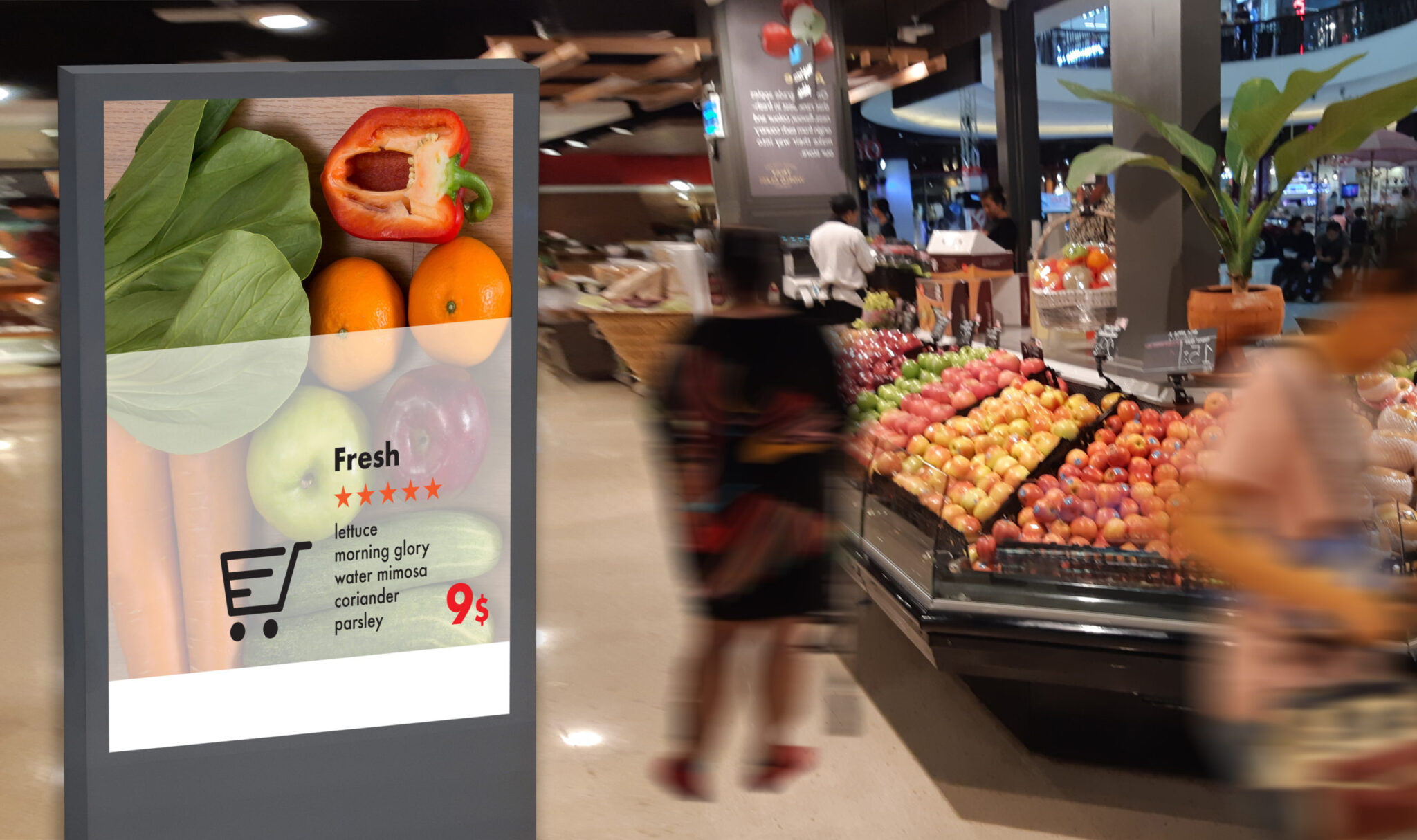
A digital display refers to visual-only technology: single screens, display panels, or video walls showing promotional content, brand messaging, or wayfinding. These connect through content management systems (CMS) for remote updates and scheduling. They’re relatively low-cost, high-visibility tools best for highlighting promotions or announcements at key touchpoints like entrances, endcaps, or checkout zones.
A full AV system combines audio, visual, and sometimes lighting technologies creating multisensory retail experiences. This includes zoned background music, digital signage, interactive touchscreens, product-triggered content (videos playing when items are picked up), and POS or CRM integration. These systems enable immersive brand storytelling and customer engagement, typically used in flagship locations prioritizing experience and long-term brand value.
When to Use What
Digital displays work best for:
- Time-sensitive promotions needing quick updates
- Brand videos or digital posters at high-traffic points
- Wayfinding and informational content
- Budget-conscious implementations focusing on visual impact
Full AV systems make sense when:
- Creating environments that influence mood, flow, and interaction
- Implementing zoned background music (relaxed in lounges, upbeat in high-energy areas)
- Adding interactive product kiosks or smart displays
- Using AR mirrors, demo stations, or motion-triggered content
Organizations like Electronic Design Company (EDC) typically assess customer flow patterns and brand goals before recommending solutions, ensuring technology investments serve clear purposes rather than just looking impressive.
Budget Tiers That Make Sense
Entry-level setup: Basic digital signage (single screens) plus simple background music using distributed speaker systems. Staff-controlled volume. Delivers core functionality without automation but provides solid value with strong content.
Mid-tier setup: Central CMS for signage, multiple audio zones, possibly interactive touchscreens and product-triggered content. Better audio fidelity and content scheduling capabilities.
Premium setup: Fully integrated multi-zone AV, advanced lighting control, real-time CRM and POS integration, and reactive displays. Enables full experiential marketing and data-rich engagement strategies.
What Actually Drives ROI
Dwell time increases when music and motion-reactive signage engage customers—longer stays correlate with increased spending. Touchscreens, smart mirrors, and interactive displays boost participation, strengthening brand memory.
Dynamic signage responding to live inventory, promotions, or customer loyalty data directly influences sales behavior. Systems with tracking and reporting measure screen views, customer interactions, and conversion rates—critical for refining strategies.
Centralized AV systems ensure branding and experience consistency across multiple locations while allowing local adaptations.
Matching Technology to Your Space
Divide spaces by function—quiet browsing areas versus high-energy zones—applying different AV treatments accordingly. Position screens and speakers where customers naturally pause or transition, such as near feature displays or waiting areas.
Mount screens at natural eye level avoiding cluttered zones. Poor placement reduces effectiveness and frustrates customers. Ensure music style, content visuals, and interactive experiences all reflect your brand’s personality and aesthetic without overwhelming products.
EDC’s approach emphasizes this alignment between technology and brand identity, designing systems that reinforce rather than distract from core retail experiences.
Making the Right Choice
If your focus is simple promotions and brand messaging, start with digital displays—they’re cost-effective and scalable. If you want to shape entire in-store experiences through mood, interaction, and personalization, invest in full AV systems. This matters particularly for high-traffic locations or brand flagships aiming to stand out.
For many stores, hybrid approaches work best: begin with high-impact digital display solutions, add background music creating ambiance, then layer interactive elements where they make the most difference. Well-designed AV systems serve retail goals rather than just filling spaces with technology.